Share
Dominican Republic - Essential Information: Culture
When we speak of a melting pot of cultures, we refer to a blend of diverse origins. In the case of the culture of the Dominican Republic, it is a welcoming land that brings together Spanish, African, and Taíno traditions, thus making this country a space of social coexistence.
The influx of tourists from around the world in recent years has affirmed that the Dominican Republic is an open country, ready to welcome people globally. In return, it offers an exhilarating culture rooted in the Caribbean yet enriched by contributions from vastly different backgrounds.
Influences on the Culture of the Dominican Republic
Before delving into the culture of the Dominican Republic, it is crucial to understand its origins.
During the pre-Columbian era, the native inhabitants of the island were the Taínos, also present in other Caribbean islands, possessing a highly developed culture. Taíno culture remains significantly present in the Dominican populace, and its preservation is vital as it represents not only the actual origin of the Dominican people but also connects the inhabitants of this nation with those of neighboring countries.
The Spanish influence is also evident daily in Dominican cities. The island marked the first contact between the two cultures, and thus offers references spanning over five centuries, especially in the country's major urban areas.
Traditions from various African countries are integral to Dominican culture and are essential for a profound understanding of life in the Dominican Republic. From music to the local cuisine of the Dominican Republic, the influences of diverse African regions saturate daily life on the island.
The Most Recognizable Traditions of Dominican Culture
Summarizing such a rich culture as the Dominican is immensely challenging, particularly given each region's unique characteristics, distinguishing it from nearby areas.
Broadly speaking, it is crucial to highlight both traditional and contemporary music. For Dominicans, music is a part of life and an excellent example of the intermixing of various influences found in this country. The principal Dominican contribution to global music is merengue, originating here in the late 19th century, blending the European accordion, African drum, and Taíno güira. Additionally, artists like Juan Luis Guerra and Romeo Santos continue to introduce the Dominican Republic's name worldwide.
Gastronomy is also a cornerstone of Dominican culture. Traditional recipes incorporate ingredients native to the Caribbean, blended with products indigenous to the island. Among the most cherished Dominican recipes are rice dishes, asopaos, sancochos, and dishes featuring local fruits. The Dominican Republic also boasts a diverse culinary scene based on recipes utilizing fish from its coasts and roasted meats.
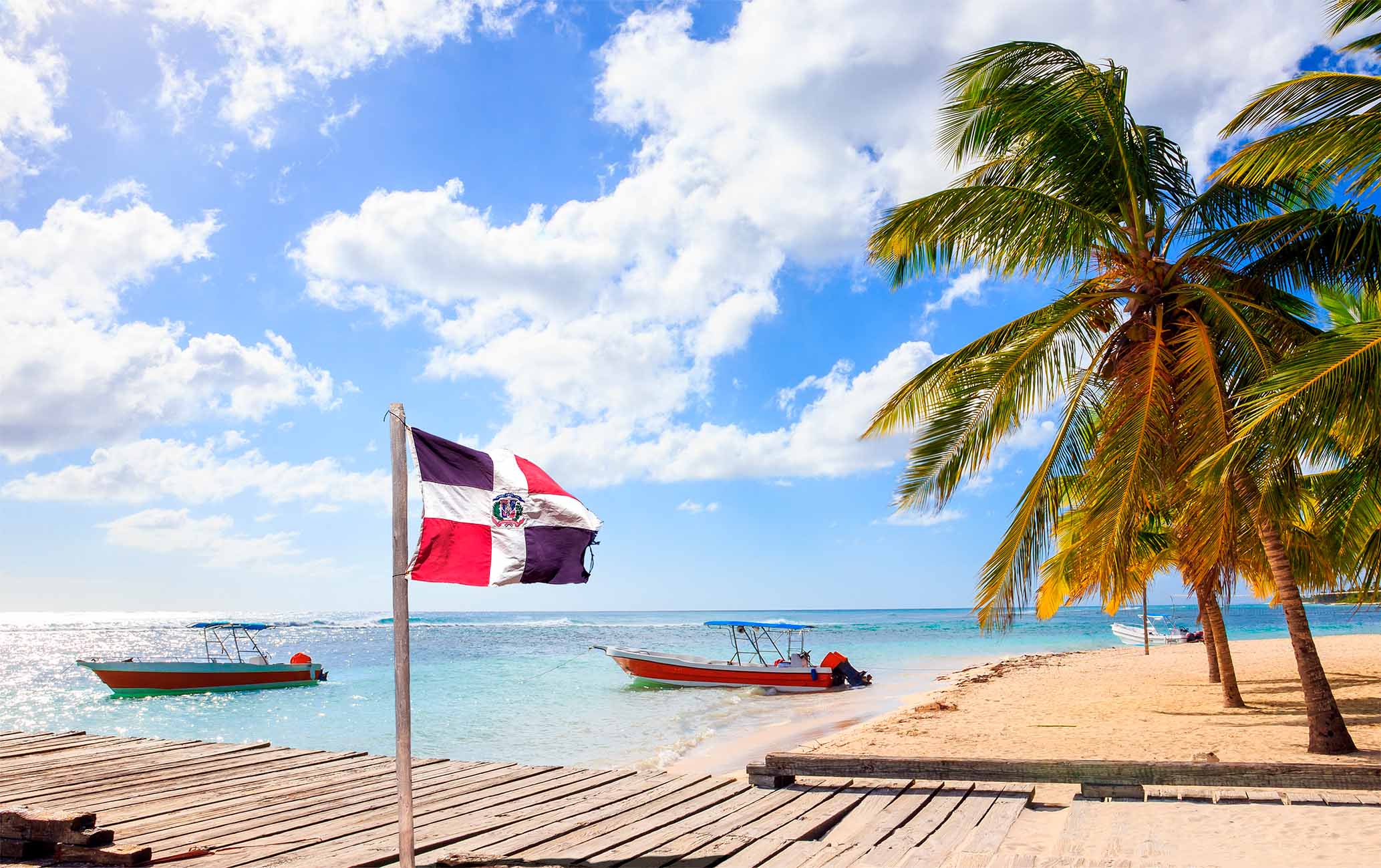
If you come to enjoy Dominican customs, you will discover some unique peculiarities native to this Caribbean area. Having a Dominican Flag dish at noon, savoring sweet beans, especially during Easter, or enjoying a sancocho on a rainy day are some of the country's traditions.
In conclusion, we cannot discuss Dominican culture without mentioning Oscar de la Renta, one of the world's most celebrated and awarded haute couture designers, born in Santo Domingo. Óscar de la Renta is a significant part of contemporary Dominican culture and has skillfully showcased the foundations of Dominican traditions through fashion.
The Dominican Republic has spent several centuries building highly recognizable traditions, contributing to the authentic Dominican character.
Dominican Republic, a Meeting Place
The Dominican Republic offers visitors much more, boasting one of the Caribbean's most complete cultures due to the diversity and richness between its various regions. Yet undoubtedly, what unites everyone is the capacity to integrate traditions from different parts of the world into one.
There are few places worldwide where such distinct cultures meld into one; Dominican society is open and tolerant, having developed a very particular identity. Let's not forget what unites the Dominican Republic with the other Caribbean nations; Caribbean culture is palpable in every street, every moment. The joy of living, the light, the warmth of its people is what truly makes discovering the Dominican Republic, its people, and its culture worth it.
For more information about investing in our developments, contact us at sales@novalproperties.com
Contact us
Every great investment starts with a conversation. Write to us and discover why hundreds of clients trust Noval to build their future.
+1 809 349 9677
info@novalproperties.com