Share
The impact of high-end tourism on the Dominican ecosystem and strategies to minimize the environmental footprint
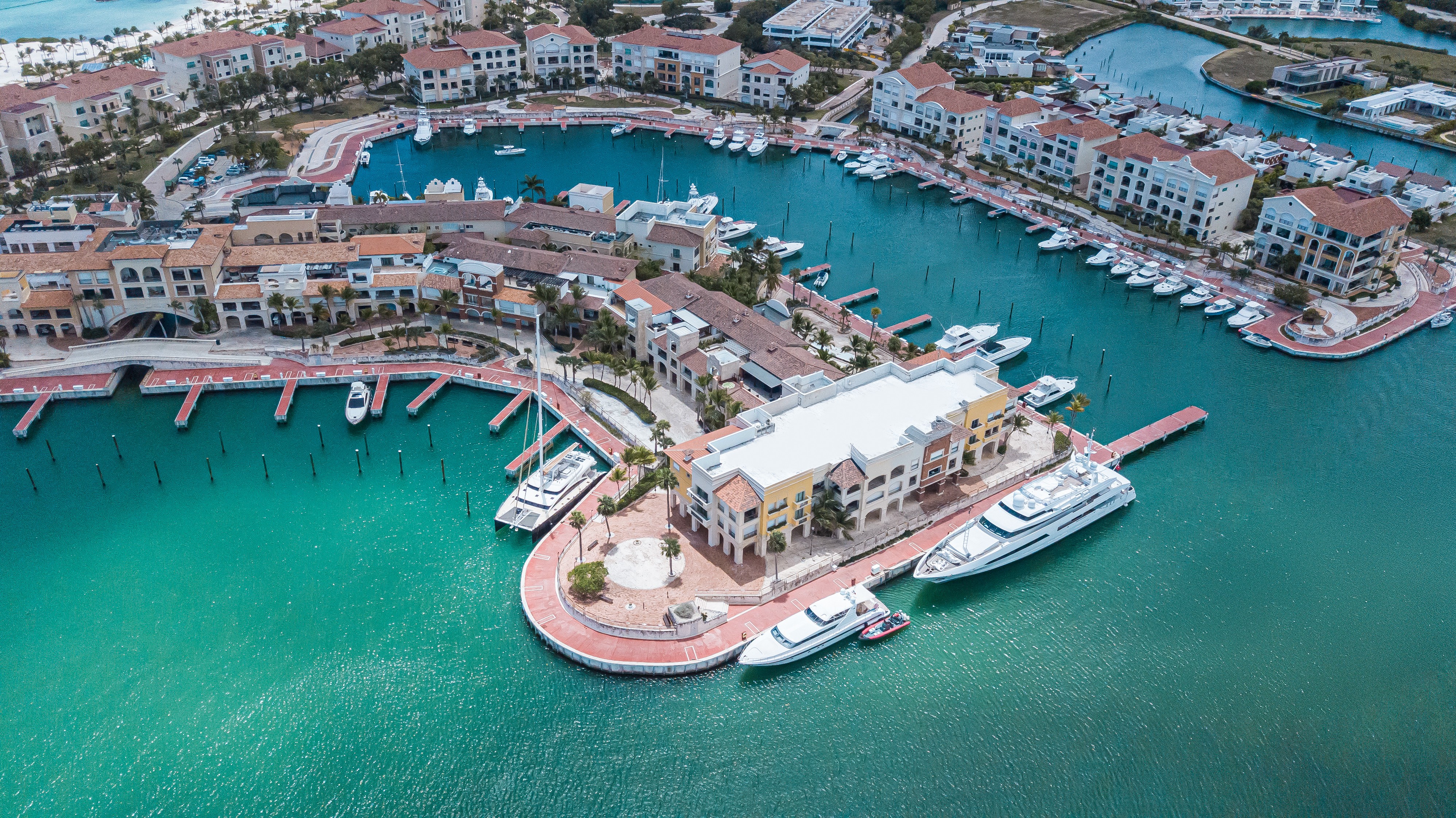
The Dominican Republic stands as one of the most significant tourist destinations in the Caribbean. Luxury tourism, in particular, has become increasingly influential in the national economy, drawing high-net-worth visitors seeking exclusive experiences and direct contact with nature. Yet, this growth also presents substantial challenges: pressure on coastal ecosystems, intensive resource consumption, and waste generation.
The challenge for the future lies in aligning economic development with environmental conservation, ensuring that the footprint left by luxury tourism is positive and sustainable.
Luxury tourism's double-edged impact
Luxury tourism serves as an essential economic driver for the Dominican Republic. Guests staying in upscale resorts not only create direct employment in hotels and resorts but also energize related sectors such as gastronomy, transportation, and local commerce. Moreover, this type of tourism tends to generate higher tax revenues that may be reinvested in community and environmental development efforts.
However, the expansion of tourist and residential developments in coastal areas has meant a direct impact on fragile ecosystems. Luxury tourism can simultaneously be an economic advantage and an environmental threat if not managed responsibly.
Environmental challenges of luxury tourism
The impact of luxury tourism in the Dominican Republic is evident in various dimensions:
One of the most visible is the excessive consumption of water. Hotels and villas require volumes far exceeding those of a local community, which can exacerbate water scarcity in certain regions. Similarly, energy expenditure grows exponentially, especially if renewable sources are not utilized.
Another clear challenge is the generation of solid waste. High-end tourism frequently involves intensive use of plastics, packaging, and single-use products. Without adequate management and recycling systems, these wastes end up affecting beaches, rivers, and seas.
Adding to these factors is the fragmentation of the natural landscape. Building in protected areas or nearby restricts biological corridors for fauna and flora, endangering endemic species. Thus, the challenge is not solely economic or touristic, but ecological and cultural.
The necessity for regenerative tourism
Facing these challenges, the Dominican tourism sector must take a step beyond mere sustainability and move towards a regenerative model. Reducing impacts is not sufficient: it is essential to restore what has been damaged, protect what remains intact, and create tangible benefits for both the natural and social environment.
Regenerative tourism proposes practices such as mangrove and reef rehabilitation, the integration of local communities in tourism management, and the development of initiatives that enhance ecosystem resilience.
Strategies to reduce the environmental footprint
The key to reducing the environmental footprint of luxury tourism in the Dominican Republic lies in innovation and the commitment of all involved stakeholders. Developers bear the responsibility of designing investments that minimize impact starting from inception, employing sustainable materials, bioclimatic architectural techniques, and energy-efficient technology solutions.
The use of renewable energy sources, such as solar and wind, allows resorts to reduce their dependence on fossil fuels. Simultaneously, the implementation of rainwater harvesting and reuse systems, along with wastewater treatment, alleviates pressure on aquifers and protects marine ecosystems.
Comprehensive waste management is another crucial pillar. Resorts and residences can transform into spaces free from single-use plastics, promoting recycling and the circular economy. Furthermore, the active protection of green areas through reforestation programs and mangrove conservation ensures the preservation of local biodiversity.
However, beyond technical measures, education plays a pivotal role. Both industry staff and guests must engage in an environmental culture that underscores the importance of preserving the surroundings. In this way, luxury tourism becomes an ally rather than a risk for the Dominican ecosystem.
The role of developers in sustainable development
Developers hold a special responsibility in driving the transformation towards a sustainable tourism model. They are not merely economic participants generating employment and investment but also stewards of the land on which their assets are developed.
From land selection to architectural design, each decision impacts the balance between progress and conservation.
In the Dominican Republic, the construction sector linked to tourism is strategic. Through responsible practices, it can contribute to a more environmentally respectful tourism industry, ensuring that growth does not lead to degradation. The adoption of international green building standards, the certification of sustainable buildings, and the commitment to clean technologies are steps that make a difference.
The collaboration between developers, government, and local communities is essential. Together, they can ensure harmonious development that boosts the national economy without compromising the natural heritage that makes the Dominican Republic a unique destination.
A commitment from everyone
Luxury tourism in the Dominican Republic is not a threat in itself, but an opportunity. The key lies in how it is managed and the commitment of each stakeholder involved in the sector. Reducing the environmental footprint and fostering regenerative tourism not only ensures the conservation of ecosystems but also elevates the value of the tourist experience, attracting a profile of visitors increasingly aware and demanding.
The country's future depends on a balance between prosperity and sustainability. The Dominican beaches, jungles, mountains, and communities are not endless resources but treasures that must be preserved. In this mission, the role of developers and the tourism sector is crucial.
Noval Properties: commitment to a sustainable future
Here at Noval Properties, we understand that true excellence in luxury tourism goes hand in hand with environmental responsibility. Our investments in the Dominican Republic are crafted under an innovative vision that blends sustainability, exclusivity, and respect for the environment.
We are committed to ecological materials, energy efficiency, and spaces that harmoniously coexist with nature. We firmly believe that the tourism real estate sector should be a driver of conservation and progress, contributing to the economic development of the country without compromising its biodiversity. At Noval Properties, we not only build luxury properties; we build a future where the beauty of the Dominican Republic is preserved for generations to come.
Contact us
Every great investment starts with a conversation. Write to us and discover why hundreds of clients trust Noval to build their future.
+1 809 349 9677
info@novalproperties.com